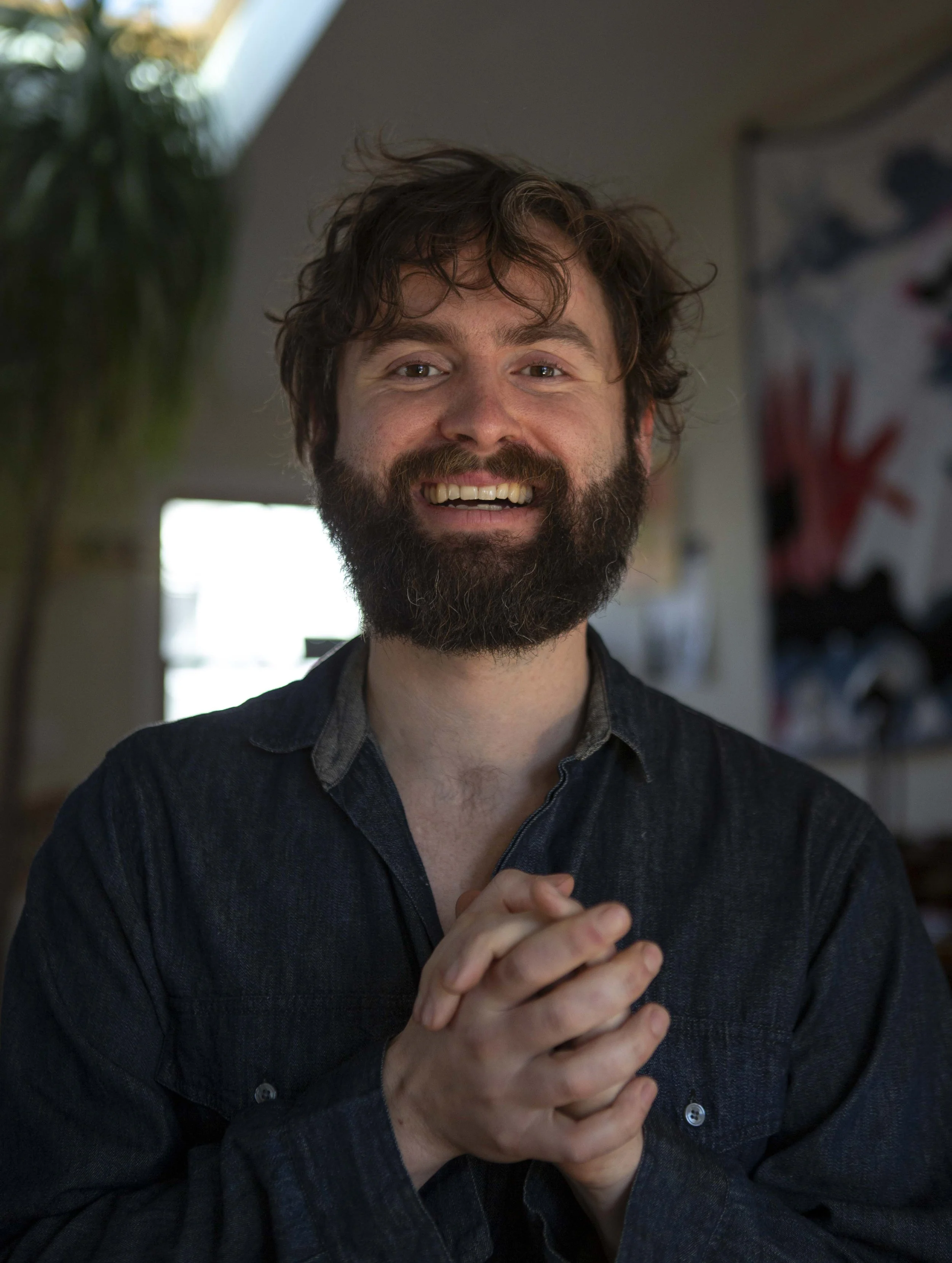
Hey! I'm Nate
I love making music, and helping people make music.
I’ve made a lot of different kinds of art and music — professionally and for fun. Classical piano to writing indie folk; accompanying musical theater to improvised music for dance; composing chamber music to producing records; performing musical improv comedy around Boston across the country whilst also making quasi-unlistenable math rock and free improvisation.
I am a one-of-a-kind educator, translating my penchant for aesthetic party tricks in to phenomenal phenomenological acumen. It turns out that focusing on music as a source of goodness — and making a real discipline of it — always transforms students’ craft. Inspiration is contagious.
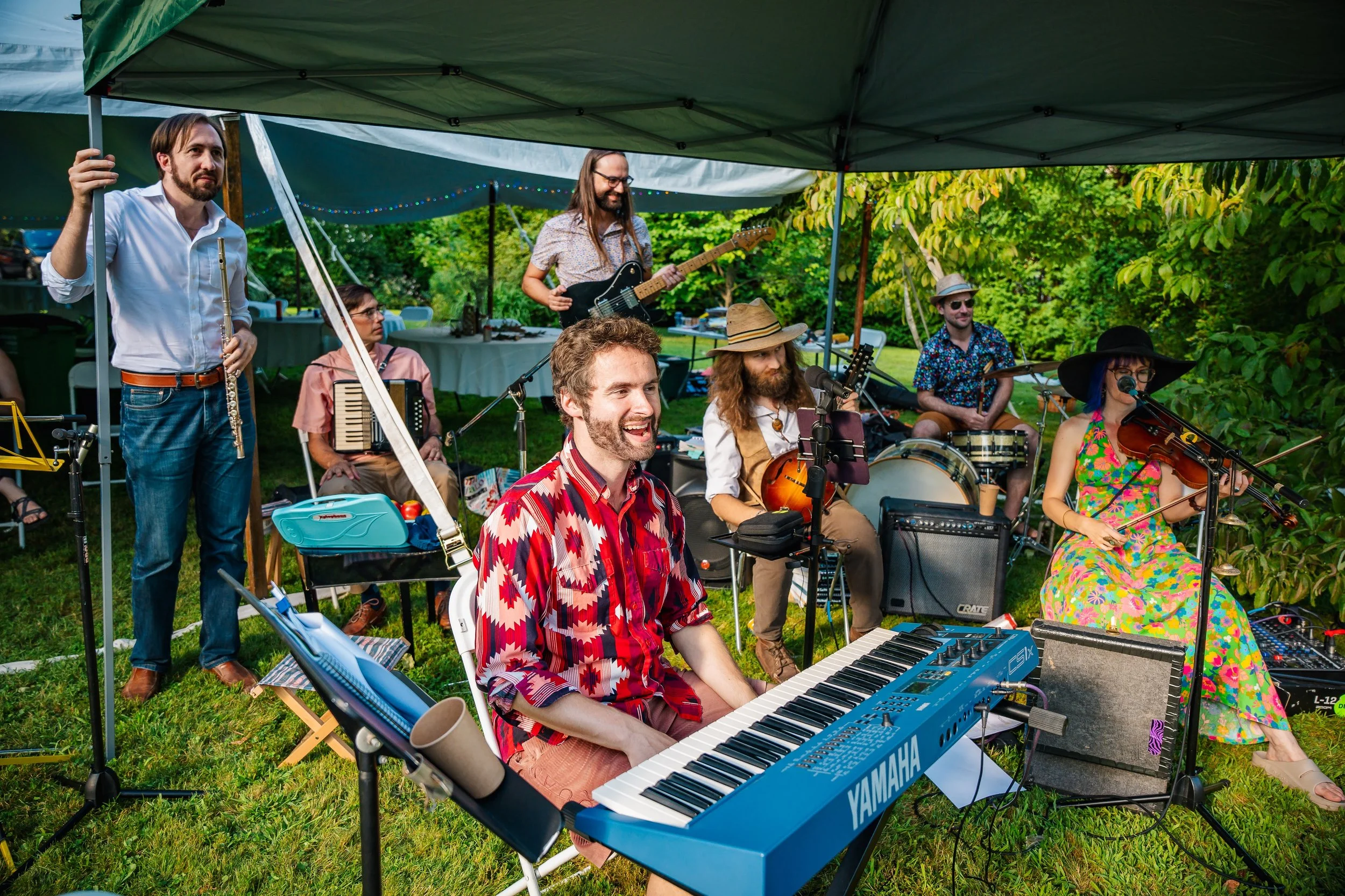
I have studied tai chi for nearly a decade, hosted retreats for over 5 years, and have the audacity to be a radical educator in a f’ed up society. I host interactive performances, like the Songbuilders’ Soiree, have music directed over 1,000 improv comedy shows, and lectured at Tufts & Harvard. I won a pie eating contest in high school and I can’t wait for the next gig.

As a smart kid who struggled to connect…
music was my way in.
I wasn’t a stand-out musician, and certainly not a childhood prodigy — I was a kid who hated and avoided practicing. Performing was one of my only ways to connect with other people, — to bring a state of attentiveness as well as positiv attention towards me. But consciously improving my skill was elusive for more than a decade. Disconnected from my body and from an existential that “life is good”. Music has had many lessons for me, about how good it is to be alive; why and how to be in the body; and the necessity and discipline of grounding imagination in how reality actually seems to work.
Initiated by several intensive periods of study and musical transformation, I teach people how to plumb to the depths of themselves and their music through deliberate practice. In this time of global uncertainty, the rise of AI and increasing existential risk to humanity, the essence of music connects us to ourselves in a way it’s difficult to talk about. My work serves that shy possibility that the world is a Kind Place, and that the light always wins. Music is a Birthright, and has a whole lot to teach us about our humanity.
Philosophy
My essential beliefs around music emerged from the troubles and challenges in my life: existential fears around the threat of human extinction; questions of death, purpose, and the need for personal transformation. As political consciousness arose in me, I noticed inequities in both Popular and Classical art. The more widely I apprenticed and studied music the more I found Music is not simply for the elite, those born with talent, the initiated few: Music is one of humanities most profound teachers; being called to make or explore music is a spiritual calling. Music has lessons for you.
Every human culture the western mind has contacted has music. It is not, as some scientists suggest, “auditory cheesecake” with no evolutionary significance. The will-to-music connects to the pro-social wiring of humans, and why and how we gather, express, and communicate. It likely connects to the formation of human language itself. There’s strong evidence that Neolithic Painters sung in caves: art often occurred in the most resonant parts of the caves, suggesting our first artists were ‘interdisciplinary.’
If music is fundamental part of being human, WTF is going on; with the decline of in-person music making; the elitism and educational trauma affecting those lucky enough to have “received lessons” as a kid; where are all the people dancing? And singing?
This drama of the western mind, of our “supremacy” must be questioned, with reverence and tenderness. If we adopt anti-colonial, anti-western, we forget what’s so great about it. Bach’s music. Barbershop. Don’t get me started with The Blues, and the way that our traditions have interwoven with African systems of music. This self-destructing culture, potentially the “end of the world” came from this technological mind.
We are at an inflection point. It may not be a single day where things all turn around, May 8th 2026, it may not look like what you think. We know that The Revolution Will Not Be Televised. It will not be on social media, either. The era of Arab Spring is over. In the words of Terence McKenna, Culture is Not Your Friend
My belief is that the making music doesn’t “have the chance to change the world”. A world where ALL people make music is a changed world. The spirit of music is participation. Our rituals around consuming music reify power structures, and psychologically reinforces that we are inferior consumer — and disconnected from the divine without the good-will of the Haves, the initiated priestly hierarchies. Despite our contemporary post-modern hubris, we exist in a post-Christian substrate: the power dynamics inscribed by the Catholic Church in medieval times, still outline the structures of our musical cultures today.
I envision a future where music houses longings, social disconnection fades as we make more music with each other.
I have seen children playing their first notes on instruments that it seems they were meant to play.
The fundamental mysteries of Being Here, on planet earth, find a dance partner in music, to be engaged with, humbly, as we walk for a short time on this beautiful and painful planet.
When we make music, it gives us a leg to stand on, should we desire to speak anything of substance about what it means to be here, to be alive. It says more than we can say with words.
Pedagogy
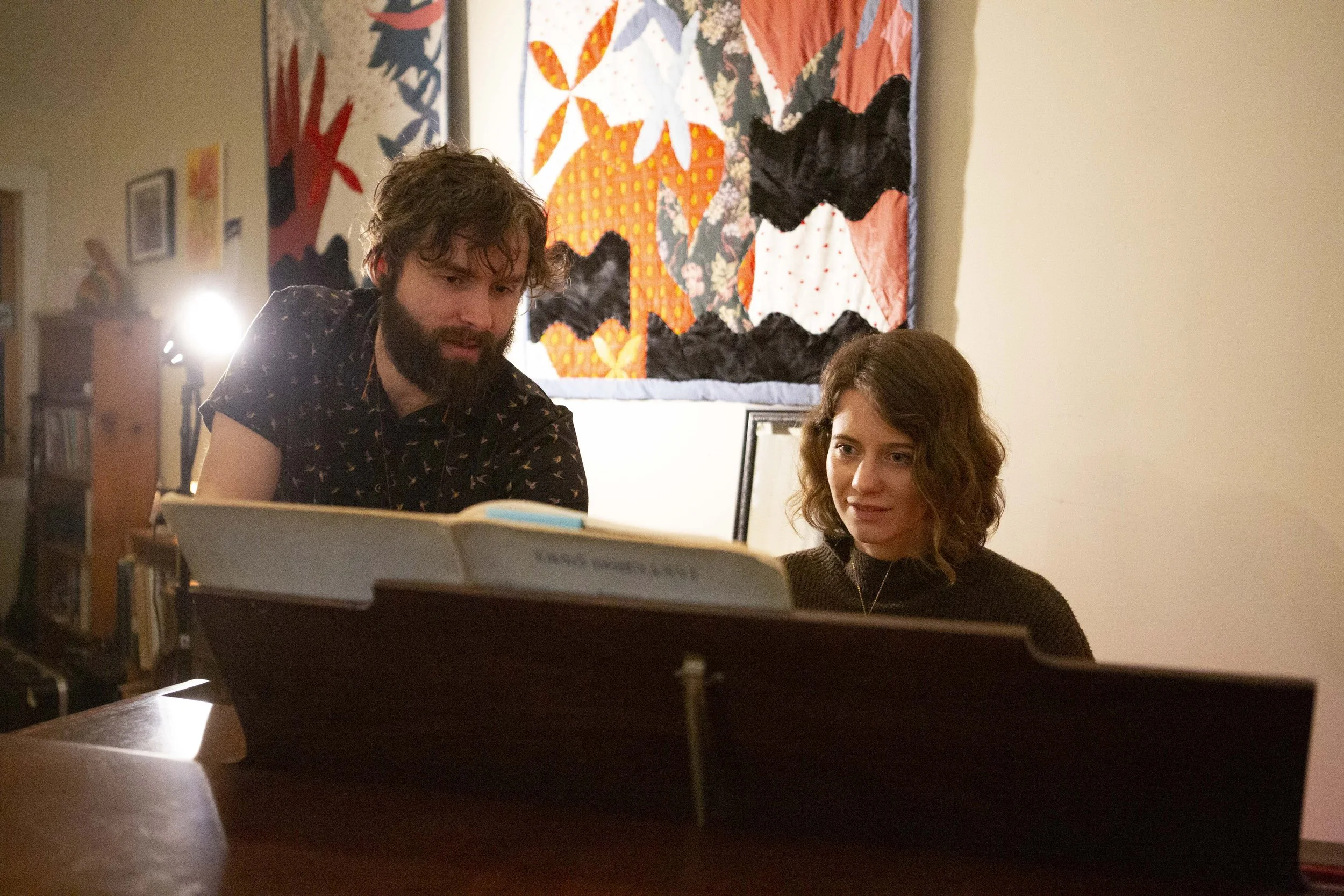
The ideal Improviser is willing to do anything, at any time. For any reason — or no reason at all.
Improvisation is the distilled essence of all creativity.
There is no complete or total pedagogy. Contemplate where music comes from; observe how you are a vehicle for its existence. I host spaces where we seek to do something: improvisation, (meditative) singing, songwriting. And I host one-on-one sessions.
I ask students: What’s your ideal relationship to music? What type of musician do you desire to be come? The spirit of music is participation: how do you see yourself participating in music?
Music, in its delight, presents itself to us as integrated whole. It doesn’t arrive as theory or thought. To study it, we practice naming what we observe. As we name the nameless, we commit the first sin outlined by the Tao Te Ching “the Tao that can be spoken is not the eternal Tao”. Anything you can say about music isn’t music. However, to objectively study music, we have to deconstruct it. Intelligently disintegrating music enables us to refine our conceptual understanding of music and to focus in the choreography of actually playing music. In practice, we separate Right hand from Left hand — we play just the melody, practice slowly and deliberately, focusing on specifically what challenges us.
Students tend to work on “project-based” learning, where they’re working on doing things well, or come at it from a skill-based lens.
In addition to run-of-the-mill technical exercises, the more devoted you are, the more likely you are to work with ‘fundamental contemplations’ — infinite games that may appear from the outside to be the behavior of people suffering from mental illness. Sit and sing one note, and hear how it tunes with a drone. Clap along with a metronome, noticing when your clap lines up exactly.
I get people playing and doing things that aren’t so scary — which inevitably sync up with the experience of being really good at making art. It’s paradoxical: you need the skills to make the stuff. You need the stuff to make the skills.
Art is possible. It’s more possible than you’ve ever believed. And it’s impossibly beautiful. The more you make it, the more you’ll know that there’s always more you’ll never know, you’ll never be, you’ll never do. The learning never ends.